


Introduction: Liminal Spaces in Hindi Cinema
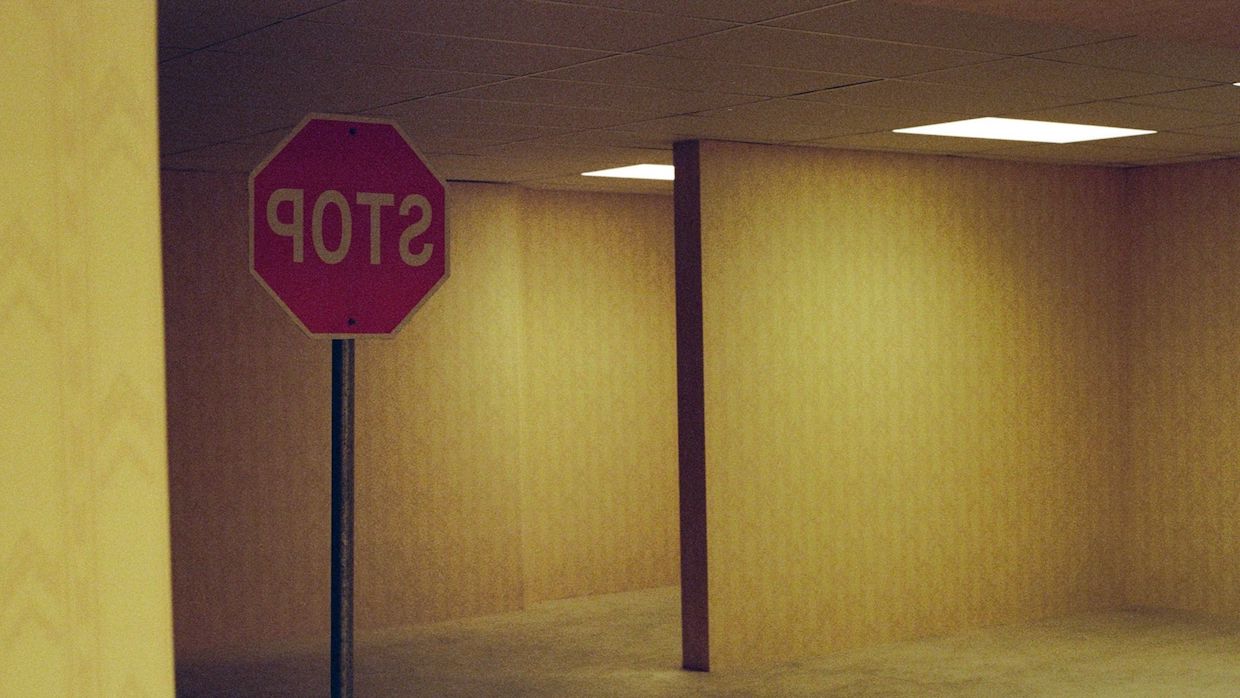
The Backrooms phenomenon, born from internet creepypasta and digital nostalgia, has now found resonance in India’s cinematic imagination. Re‑imagined through the lens of Hindi filmmaking, these endless corridors of yellow walls and flickering tube lights echo not only American suburban decay but also India’s own abandoned malls, half‑finished housing complexes, and forgotten cinema halls. In 2026, the Indian adaptation—directed by Rajesh Mehra—translates Kane Parsons’s cult YouTube series into a uniquely subcontinental narrative, where nostalgia collides with urban alienation and technological anxiety.
Nostalgia as a Double‑Edged Sword
In India, nostalgia often manifests through memories of Doordarshan serials, single‑screen theatres, and the tactile world of VHS tapes and cassette players. Just as American millennials yearn for Blockbuster stores and Toys “R” Us signs, Indian audiences recall shuttered video libraries, fading hand‑painted film posters, and the eerie silence of abandoned railway colonies. The Backrooms aesthetic—fluorescent lights, peeling paint, labyrinthine corridors—mirrors the liminal spaces of Indian urban sprawl, where unfinished flyovers and deserted shopping complexes evoke both comfort and dread.
This paradox of nostalgia—comforting yet unsettling—has been weaponised by Gen Z creators on Instagram and TikTok, who remix #nostalgiacore with Indian imagery: grainy shots of 1990s living rooms, Maruti 800 cars parked in cracked lots, and half‑lit stairwells of government flats. The Indian Backrooms taps into this cultural reservoir, showing how nostalgia can be both narcotic and carcinogenic, mutating the present into brittle self‑annihilation.
The Indian Setting
Mehra situates his Backrooms in the outskirts of Delhi circa 1990. The sky is dusty, the streets cracked, the strip malls half‑built. Inside, cushioned armchairs sit atop faded carpets, surrounded by cheap plywood fixtures. These spaces feel instantly familiar to Indian audiences who grew up in the liberalisation era, when malls and multiplexes were still novelties. For younger viewers, they are uncanny reconstructions of a past they never lived but consume through retrobait videos and AI‑generated nostalgia.
Characters in Transition
Clarke’s Indian counterpart is played by Nawazuddin Siddiqui, reimagined as a furniture shop owner in Karol Bagh whose wares are flimsy and unsellable. His therapist, portrayed by Konkona Sen Sharma, mourns the demolition of her childhood home, replaced by prefab apartments. She clings to fragments of memory—handprints in cement, broken toys—as talismans against dislocation. The film opens with VHS‑style footage of impossible corridors, then cuts to floppy disks and bulky CRT monitors, relics of India’s early IT boom.
Technology and Anxiety
The Indian Backrooms highlights how cyber technological progress reshaped identity. Outdated cable ads for “computer training centres” and self‑help cassettes duel for attention on clunky TV sets. “Are you still using paper files?” asks one announcer, echoing India’s bureaucratic obsession with paperwork. The labyrinth becomes a metaphor for collective anxiety: endless corridors of unfinished modernity, where progress feels both inevitable and incomprehensible.
Hauntology and Hindi Cinema
Like Parsons’s original, Mehra’s film resists explanation. The Backrooms are not defined but felt—ghost stories for the non‑cybernetic self. In India, this resonates with hauntological cinema from Kahaani (2012) to Tumbbad (2018), where spaces themselves become characters. The film suggests that nostalgia is futile, yet irresistible. As Colette Shade wrote, “Nostalgia is a surrender to the world as it is.” In India, surrendering to nostalgia means confronting the ruins of liberalisation—empty malls, broken promises, and the ghosts of technologies past.
Conclusion: Becoming the Glitch
Ultimately, the Indian Backrooms is less about horror than about cultural dislocation. Siddiqui’s character succumbs to the false comfort of AI hallucination, becoming just another creepypasta in a Reddit subthread, briefly tangible before dissolving back into liminal internet discourse. Mehra’s adaptation is a meta‑tone poem on nostalgia in Hindi cinema, showing how India’s own abandoned spaces embody both memory and anxiety.
It is a cinema of loops, glitches, and ghosts—where the past was never simpler, and the present is too unstable to hold.