


Introduction: A City in the Frame
Minneapolis in early 2026 became a stage where reality and cinema collided. Thousands of armed ICE agents patrolling neighborhoods created a dystopian tableau, but the most powerful images weren’t produced by the government’s propaganda machine. They came from ordinary residents wielding smartphones, transforming into citizen documentarians. This grassroots cinema verité dismantled the slick, action‑flick aesthetic of DHS videos and reshaped the national narrative.
The Rise of Citizen Filmmakers
The Trump administration’s propaganda leaned on garish edits, anime soundtracks, and heavy‑metal montages to glorify ICE. Yet these clips, designed for online trolling culture, were undone by raw, unfiltered footage from Minneapolis residents. Parents at bus stops, diners behind locked doors, and protestors in the streets captured ICE’s actions in real time. Their videos carried intimacy and immediacy that no government edit could replicate.
This echoes earlier moments of citizen journalism: the Arab Spring in 2011, or the 2020 recording of George Floyd’s murder. In each case, handheld cameras revealed truths institutions sought to obscure.
Operation Metro Surge: Narrative Collapse
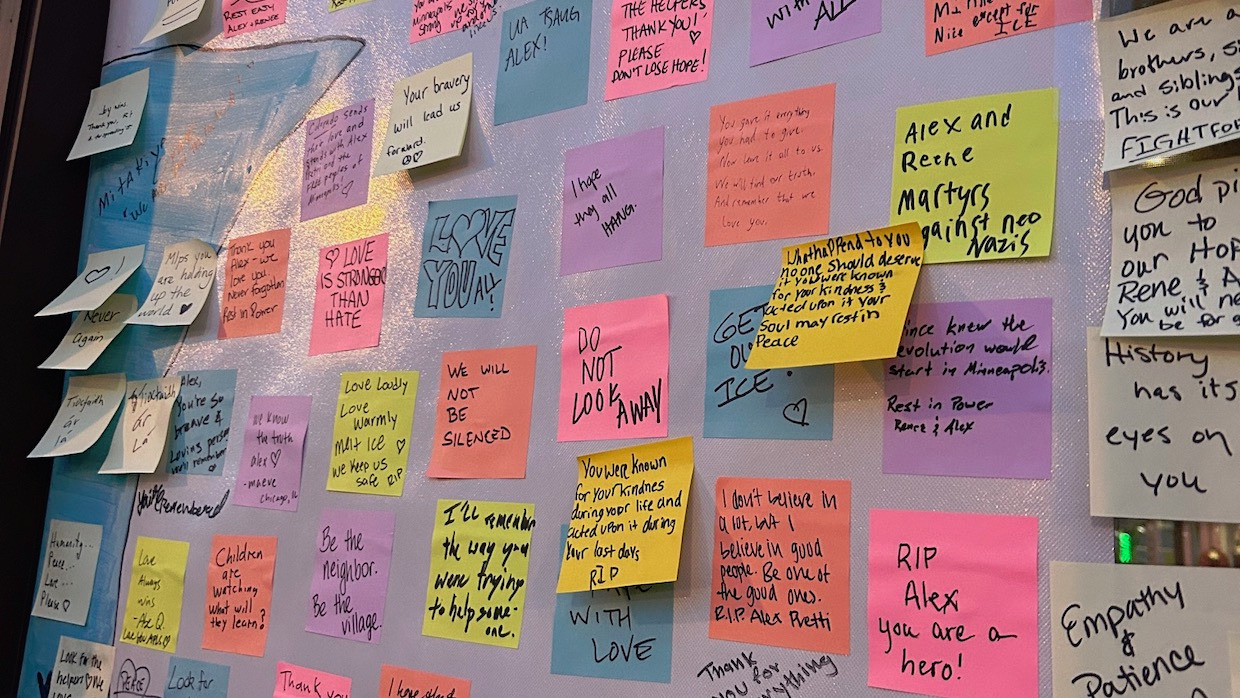
The DHS operation, branded with a warzone‑like name, attempted to project dominance. Yet viral videos exposed contradictions. In the killing of Renee Good, official claims of terrorism collapsed when footage showed agents were never in danger. Similarly, Alex Pretti’s death was framed as an attempted massacre, but citizen videos revealed he was subdued before agents fired.
These clips didn’t just contradict propaganda; they obliterated it. Amateur vérité became more persuasive than official narratives, precisely because of its unpolished authenticity.
The Inverse Panopticon
Instead of the state surveilling citizens, citizens surveilled the state. Hundreds of phones created a collective archive of ICE’s behavior. Slips on literal ice, Orwellian threats (“you raise your voice, I erase your voice”), and buffoonish overreach became viral symbols of ICE’s arrogance.
This inversion highlights a cultural shift: propaganda can no longer monopolize perception when everyday people can broadcast reality instantly.
Filmmaking as Resistance
On a cinematic level, DHS videos resembled disposable TikToks—slick but hollow. By contrast, citizen footage embodied vérité: shaky, imperfect, but undeniably real. Together, these fragments formed a coherent counter‑documentary, challenging the state’s monopoly on storytelling.
The result is a cultural narrative shift. Minneapolis residents, through sheer persistence and courage, reframed ICE not as heroic enforcers but as oppressive, unprepared, and constitutionally indifferent.
Conclusion: Cinema of Truth
The war to define Minneapolis wasn’t won by speeches or polished journalism. It was won by ordinary people with phones, refusing to look away. Their collective filmmaking exposed propaganda’s fragility and demonstrated that vérité, even in its rawest form, can defeat spectacle.