


Rajesh Mehra on Returning to Direction After Parenthood, False Starts, and Years of Waiting
Introduction: A Return to Hindi Cinema
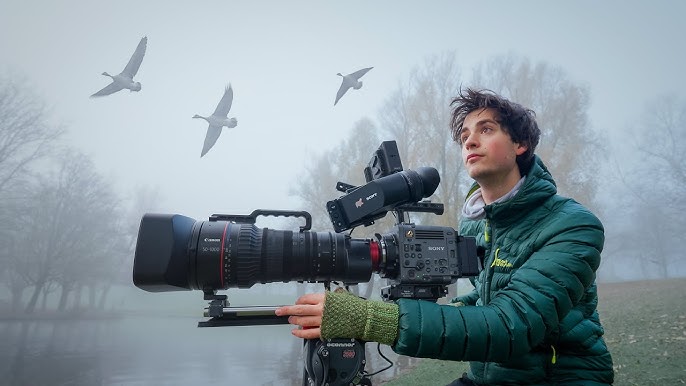
In June 2026, filmmaker Rajesh Mehra stepped back onto a film set after more than two decades. His new project, Ek Panchi Uda Chala, is both a short film and a proof‑of‑concept for a feature. Shot in Mumbai and the Himalayan foothills, it tells the story of a young woman—pregnant and single—who finds solace in birdwatching, and a wandering nature writer who becomes her companion. Their bond is tender, but the looming question remains: in an age of climate anxiety and fractured relationships, do they have a future?
False Starts and the Pause
Mehra’s first attempt at filmmaking came in the early 2000s, fresh out of FTII Pune. That film had promise but never reached its potential. The industry was unforgiving, and personal upheavals pushed him toward survival rather than creation. He shifted to Delhi and later Mumbai, working as a documentary researcher and editor. Marriage and fatherhood followed, and for 14 years his creative life remained private.
Parenthood, especially raising a neurodivergent daughter, demanded presence. Filmmaking, with its relentless schedules, felt impossible to balance with nurturing her. Yet beneath the surface, he carried a latent possibility—one day, when the time was right, he would return.
The Script That Sparked Renewal
That moment arrived when his daughter was finishing her 8th grade. Mehra had been working on Ek Panchi Uda Chala intermittently for years. When he finally shared it with his wife, she surprised him: “I love it. Let’s make it.” That affirmation transformed hesitation into momentum. They reached out to producers, spoke to directors, and began assembling a team. Soon, the short film version was underway with a cast drawn from the Hindi independent cinema circuit.
On set, despite the long gap, Mehra felt at ease. It was as if he had been preparing silently all these years. Reflecting on this, he realised that his detours—writing, editing, parenting—were not obstacles but gestation. They had given him perspective, patience, and stories rooted in lived experience.
A Cinema of Gestation
The years of raising his daughter shaped the film profoundly. While the short focuses on the love story, the feature introduces two additional characters: a neurodivergent teenage girl, Dora, and her mother. They are not direct portraits of his family, but they are informed by his experiences and observations of neurodiverse children in India. Dora is the heart of the film—her unwavering way of being elicits tenderness and forces others to confront their own fragility.
Thus, Mehra calls his approach a “cinema of gestation.” Just as his daughter arrived late but healthy, Ek Panchi Uda Chala too has arrived after a prolonged period of nurturing. It is late, but it carries the weight of lived experience.
Hindi Cinema Context
Indian cinema has long thrived on stories of family, love, and resilience. Films like Taare Zameen Par (2007) explored neurodiversity with empathy, October (2018) captured the quiet rhythms of care and grief, while Masaan (2015) showed how personal stories intersect with societal pressures. Ek Panchi Uda Chala situates itself in this lineage, but with a climate‑conscious lens—asking what it means to raise a child and nurture love in an era of ecological uncertainty.
Conclusion: Late, But True
Whether this mode of filmmaking can sustain Mehra in India’s commercially driven industry remains uncertain. Yet he knows he could not have made this film any other way. It is rooted in the anxieties of raising a child amid climate change, in the longing for nature within urban life, and in the challenges of family.
Ek Panchi Uda Chala is not autobiographical, but it is deeply personal. It is the culmination of years of gestation—creative, emotional, and parental. And now, as Rajesh Mehra returns to Hindi filmmaking, he does so not with regret for lost time, but with gratitude for the life that has shaped his cinema.