


Prologue: Flames on Film
Every great story begins with a spark. In Kamal’s Celluloid, that spark is literal — a child plays with strips of fragile film stock, the celluloid itself, and accidentally sets it ablaze. The burning reels become a metaphor for memory, for history lost, and for the fragile beginnings of cinema in Kerala. This opening image is not just cinematic flourish; it is a reminder that the story of Malayalam cinema was born in fire, struggle, and erasure.
This documentary article retraces the journey of Celluloid — a film that is itself a biopic of J.C. Daniel, the father of Malayalam cinema, and Rosamma (Rosy), the first heroine of Malayalam films. It explores how Kamal’s work both adheres to and challenges the conventions of the biopic genre, while simultaneously offering a cultural critique of caste, gender, and recognition in Indian society.
The Biopic Tradition in India
Biopics have long been a staple of Indian cinema. From Raja Harishchandra (1913), India’s first feature film directed by Dadasaheb Phalke, to modern Bollywood spectacles, the genre has been used to immortalize heroes, saints, politicians, and rebels. These films claim to present “truth,” but they also construct cultural memory, shaping how audiences perceive history.
Yet, in Malayalam cinema, biopics remain rare. Only nine films can be classified under the genre: Swathithirunal (1987), Pazhassiraaja (2009), Yugapurushan (2010), Makaramanju (2010), Celluloid (2011), Ennu Ninte Moideen (2015), Clint (2018), Captain (2018), and Aami (2018). Among these, Kamal alone has directed two — Celluloid and Aami — making him a pioneer in this underexplored space.
Conventions of the Biopic
To understand Celluloid, one must first understand the grammar of the biopic. Scholars like George F. Custen have identified recurring conventions:
Titles and Captions:
- Opening cards that proclaim authenticity, anchoring the film in “truth.”
- Voiceovers: Narration that lends authority or irony, shaping perspective.
- Montage: Compressing years into minutes, charting rise or fall.
- Flashbacks: Memory as narrative device, reframing events.
- Archival Material: Photographs, documents, and footage that authenticate claims.
- Casting and Performance: Star personas shaping audience reception.
- Historical Accuracy vs. Myth: Balancing fact with legend, dramatization with fidelity.
These conventions are not rigid rules but recurring motifs that legitimize the biopic’s claim to truth. Kamal’s Celluloid employs many of them, but also bends them to serve a deeper cultural purpose.
Act I: The Dreamer — J.C. Daniel
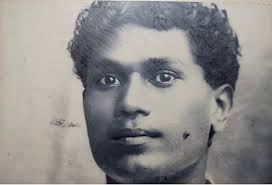
The film begins in 1928 Bombay. A young man, J.C. Daniel, meets Dadasaheb Phalke, the father of Indian cinema. Daniel is a novice, brimming with passion, eager to make a film in Malayalam. Phalke, busy with his own shoot, dismisses him politely but allows him to observe. This encounter plants the seed of Daniel’s dream.
Back in Travancore, Daniel, from an aristocratic background, explains filmmaking to his wife Janet. He establishes Travancore National Pictures and begins work on Vigathakumaran (The Lost Child). His journey is marked by obstacles: an arrogant Bombay actress he hires and later dismisses, financial strain, and skepticism from his own family.
But Daniel persists. He casts Rosamma, a Pulaya woman who had converted to Christianity, as his heroine. In doing so, he challenges caste hierarchies and social prejudice. “One shouldn’t think of caste and colour in cinema,” Daniel insists — a radical statement in 1928 Kerala.
Act II: The Forgotten Heroine — Rosamma
Rosamma’s story is as central as Daniel’s. She was the first heroine of Malayalam cinema, yet her life was erased by caste prejudice. When Vigathakumaran was screened at Capitol Cinema in Trivandrum, the audience chased Rosamma and her family away, burning her house. She was denied recognition, her name buried under layers of caste and gender bias.
Kamal’s Celluloid resurrects Rosamma, blending her narrative with Daniel’s. This dual focus transforms the film from a mere biopic into a cultural critique. Rosamma’s fate mirrors the struggles of Dalit women in Kerala, making the film resonate with contemporary debates on caste and gender.
Act III: The Chronicler — Chelanghatt Gopalakrishnan
The narrative shifts decades later. Chelanghatt Gopalakrishnan, a biographer, searches for Daniel. He finds him bedridden, bitter, and forgotten. Through Janet’s narration, the film reconstructs Daniel’s downfall: financial ruin, betrayal by friends, years of wandering in Madras, and eventual obscurity.
This narrative device — shifting perspective to a biographer — is unconventional. It allows Kamal to weave multiple timelines, blending personal memory with historical reconstruction. It also underscores the fragility of recognition: Daniel’s legacy survives only because Gopalakrishnan fought to preserve it.
Act IV: Recognition and Irony
Daniel died in poverty, unrecognized. Only in 2000 did the Government of Kerala officially acknowledge him as the father of Malayalam cinema. The irony is bitter: recognition came too late, after his death, and after his son Harris confessed to burning the celluloid reels of Vigathakumaran.
The film closes where it began — with flames consuming celluloid. Memory lost, history erased, yet partially recovered through cinema itself.
Documentary Analysis: Celluloid as Cultural Critique
Celluloid is more than a biopic. It is a documentary in spirit, blending archival material, flashbacks, and testimony to reconstruct history. But it also critiques society:
- Caste Prejudice: Rosamma’s erasure reflects systemic oppression of Dalits in Kerala.
- Gender Bias: As a woman, Rosamma was doubly marginalized — by caste and patriarchy.
- Art vs. Recognition: Daniel’s passion was undone by societal barriers, showing how art cannot thrive without social acceptance.
- Memory and Erasure: The burning of film stock symbolizes how fragile cultural memory is, dependent on preservation and recognition.
Performance and Reception
Prithviraj’s portrayal of Daniel lends credibility and emotional depth. His performance embodies both passion and despair, making Daniel’s journey relatable. The film’s success lies not in spectacle but in sincerity — a rarity in an industry dominated by stardom and commercial formulas.
For audiences, Celluloid was a revelation. It reminded Malayalis of their cinematic roots, while also forcing them to confront uncomfortable truths about caste and gender. Released in 2011, it resonated with contemporary debates on social justice, making it both historically significant and culturally urgent.
Conclusion: Cinema as Memory
Biopics claim to tell “true stories,” but they also construct cultural memory. Celluloid does both. It resurrects J.C. Daniel and Rosamma, blending their lives into a narrative that critiques Kerala’s society. It adheres to biopic conventions — titles, flashbacks, archival material — but also innovates with shifting perspectives and dual narratives.
In doing so, Kamal’s film becomes more than a biopic. It becomes a documentary of memory, a cultural reckoning, and a cinematic elegy for forgotten pioneers. It reminds us that cinema is not just entertainment; it is history, identity, and resistance.