


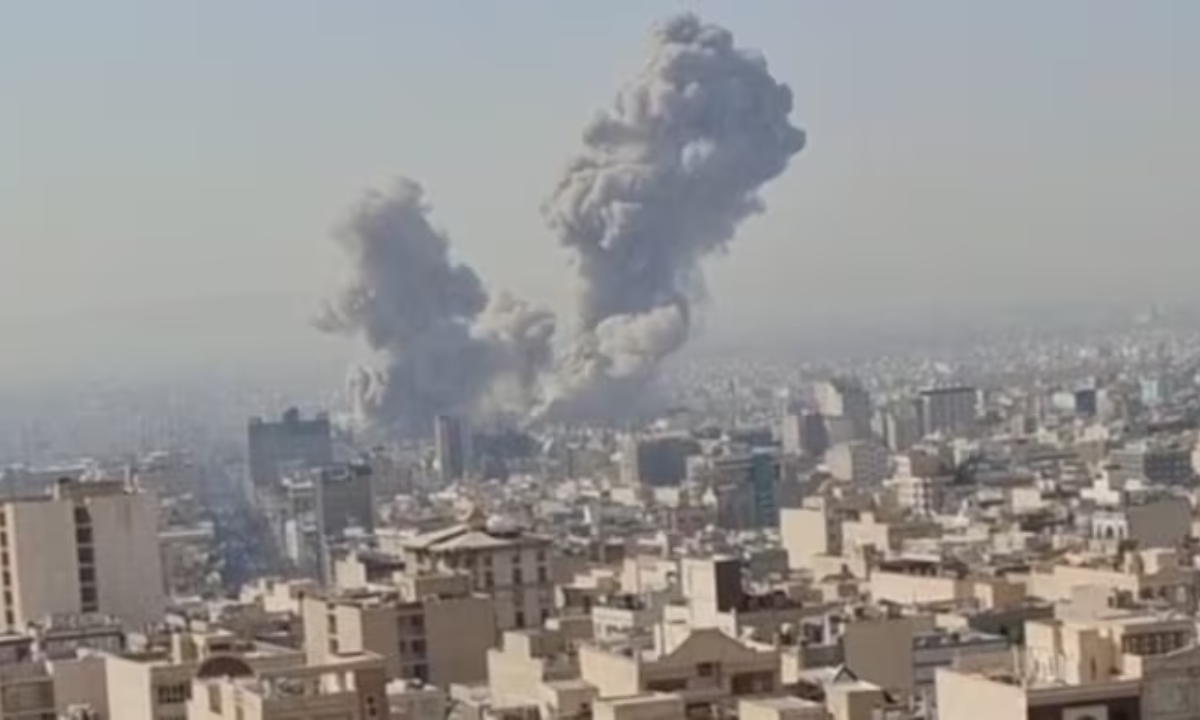
Civilian air operations in West Asia are being severely disrupted following Iran’s decision to shut down its airspace after Israel struck multiple locations within Iranian territory with support from the United States. According to flight tracking data, civilian aircraft were quickly redirected to avoid flying through Iranian airspace during the dramatic escalation of tensions that occurred on Saturday, 28th February 2026.
Iran Closes Airspace Following Escalation
Hours after explosions were heard coming from the Iranian capital city of Tehran, Iran decided to shut down its airspace to civilian aircraft. This decision came after reports of Israeli airstrikes were heard coming from strategic locations around the city, including those that were close to offices of entities affiliated with Iran’s Supreme Leader. Civilian aircraft were redirected to avoid flying through Iranian airspace.
At the same time, Israel’s airspace was shut down to civilian aircraft, causing widespread cancellations by major airlines.
How Flights Are Affected
There were significant flight disruptions along air routes in the Middle East, according to flight tracking websites. Aircraft that normally fly over Iranian skies, which acts as a hub for many flights along the Europe-Asia and Middle East air routes, were diverted to fly over neighboring countries.
For air travelers, this has meant longer flight routes, delays, and uncertainties about international flights. Some flights have even been forced to return to airfields or head to distant airports to avoid the region altogether.
Broader Aviation and Regional Impacts
Such airspace closures have significant impacts on both global and regional aviation players. Previous instances of conflict between Israel and Iran have led to airspace closures or diversions that have not only impacted Iranian skies but also those of neighboring countries such as Iraq and Jordan.
There have been previous warnings by aviation authorities and safety agencies to air carriers to be cautious when using Iranian skies due to the high levels of conflict in the region.
What This Signals
The closure of Iranian and Israeli airspace, accompanied by the rerouting of international flights, further reinforces the sense of alarm surrounding the implications of the ongoing escalation in the conflict. Such a move is a reminder of the speed at which geopolitical events can influence civil aviation.
As the situation is closely watched by governments and airlines, passengers are advised to contact their airlines for the latest information on flights and any delays.